
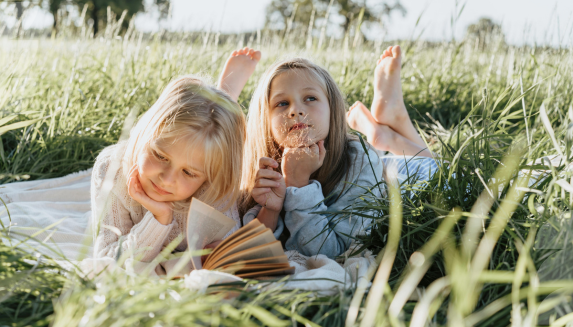
If you’ve ever watched your child light up near the ocean or take a deep breath of mountain air, you already know — there’s something special about getting outside together. Those are the moments that make stress-free family trips not just possible, but genuinely worth every bit of planning.
And it turns out, science agrees. Research increasingly suggests that time near the ocean may support emotional wellbeing, physical activity, and sensory development, while studies on air quality remind us that children’s developing lungs are especially sensitive to pollution. Regular time in nature has also been linked to better concentration, creativity, emotional resilience, and overall wellbeing in young kids
Most parents would love more of those outdoor moments. But if you’ve ever packed a bag for a trip with a baby or toddler, you know it can feel just as daunting as it sounds wonderful. The good news? The difference between a stressful outing and a genuinely enjoyable one often comes down to a little preparation and a few clever essentials.
Affiliate and referral links are included below to endorse products we recommend. If you purchase through these links, we earn a small commission at no extra cost to you.
Ocean & Beach Experience
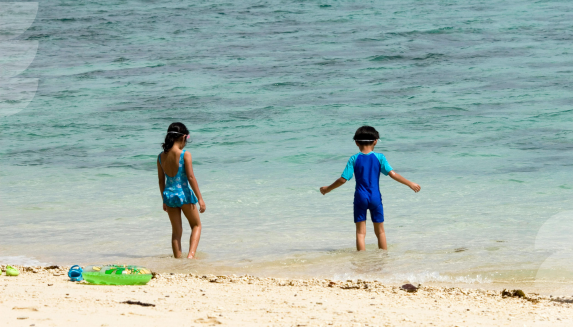
A beach day with a toddler is one of those experiences that sounds idyllic — and with the right preparation, it truly can be.
It starts the night before: packing the bag with intention rather than last-minute chaos. Reef-safe sunscreen, a wide-brimmed sun hat, and a UV-protective swimsuit go in first, because little skin burns faster than you’d think. A portable UV sterilizerand a small first-aid kit tuck in alongside them — sand and saltwater are wonderful, but so is being prepared.
For sleep on the go, a travel sound machine loaded with white noise or gentle ocean sounds is a quiet game-changer, helping little ones drift off in unfamiliar places while a travel bassinet or foldable nap mat gives them a clean, familiar surface to rest on.
Once you arrive, a pop-up beach shade tent becomes your base camp — UPF 50+ rated, easy to pitch in under a minute, and roomy enough for naps, feeds, and shade breaks.
Nearby, a set of open-ended sand toys — simple molds, a small bucket, a wooden scoop — keeps curious hands busy without the overstimulation of noise or flashing lights. For calmer moments, a soft water-safe sensory toy or a floating bath ring in the shallows turns the water’s edge into a gentle, confidence-building playground.
When hunger strikes — and it always does — a well-stocked snack bag makes all the difference: pouches of organic fruit, rice cakes, soft cereal bars, and a spill-proof water bottle within easy reach.
The drive home? Usually a sleeping toddler, salt-dusted and happy — which is really the whole point.
Mountains & Fresh Air
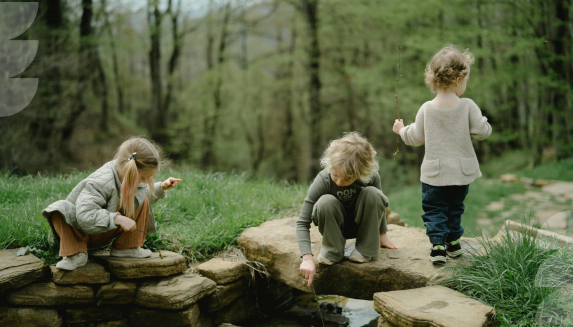
There is something quietly magical about a mountain morning with a small child — the cool, clean air, the crunch of a path underfoot, the way a three-year-old stops to examine every pinecone as if it were a treasure. And unlike the sensory overload of a busy city day, the mountain offers something increasingly rare: stillness.
Preparing for this kind of trip the evening before makes all the difference. Layering is everything in mountain environments — a moisture-wicking base layer, a fleece mid-layer, and a packable waterproof shell mean you’re ready for whatever the weather decides to do between breakfast and lunch. Spare dry socks, a warm hat, and UV-protective sunglasses for little eyes round out the kit.
The heart of a mountain trip with a toddler or preschooler is a good ergonomic hiking carrier — one that distributes weight evenly across your hips, keeps your child at the right height to see the world around them, and includes a sunshade canopy for open stretches of trail. It turns an ambitious hike into a genuine shared adventure, with small legs resting whenever needed and curious eyes taking everything in from a front-row seat.
For the moments you do stop — a clearing, a stream, a flat rock with a view — a small set of nature-inspired outdoor toys brings the environment to life: a beginner’s magnifying glass, a simple bug-catcher kit, or a set of wooden animals that spark imaginative play without needing batteries or a signal. When it comes to sleep, mountain air tends to do half the work, but a portable travel sound machine and a familiar sleeping bag or lightweight sleep sack help anchor nap time in an unfamiliar setting, making rest feel safe and consistent even far from home.
Snacks, as always, are non-negotiable — easy-to-carry portions of trail mix adapted for little ones, nut butter and oat bars, dried fruit pouches, and a reliable insulated water bottle to keep drinks cool on warmer ascents.
The return journey, winding back down through the trees with a drowsy, rosy-cheeked child, carries that particular kind of quiet satisfaction that only fresh air and unhurried time together can give.
Calm Countryside Trips
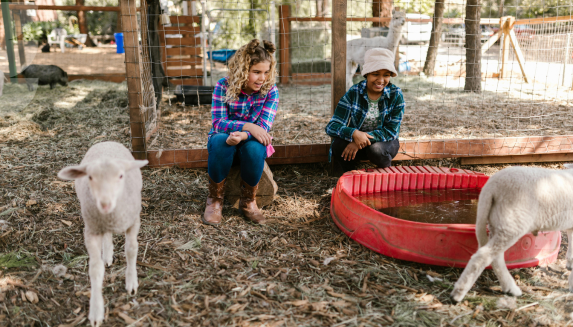
Of all the escapes a young family can take, a countryside trip might be the gentlest — and the most quietly transformative. There are no itineraries to keep, no crowds to navigate, just open fields, birdsong, and the unhurried rhythm that small children naturally thrive in.
The preparation for this kind of trip leans less toward gear and more toward simplicity. A well-organized travel bag with dedicated compartments makes the journey itself calmer — snack containers pre-filled with easy finger foods, a small cooler pouch stocked with fresh fruit, soft cheese portions, oat biscuits, and vegetable sticks, because countryside living invites that slower, more wholesome approach to eating that city life rarely allows.
For the drive or train ride, a travel sensory kit is worth its weight — a small pouch filled with textured fabrics, a soft pressing toy, a simple lacing card, or a beeswax crayon set gives little hands something to explore without the noise and flicker of a screen.
A compact compact stroller fan clipped to the pram keeps air moving on warmer afternoons, while a lightweight muslin blanket doubles doubles as shade, a picnic layer, or an impromptu nap cover depending on what the moment calls for.
Once there, the countryside itself becomes the greatest toy — a stick, a patch of mud, a curious hen, or a field of long grass to run through will hold a preschooler’s attention longer than anything manufactured ever could.
Still, a few thoughtful additions enrich the experience: a simple nature journal with chunky crayons for pressing leaves and drawing what they see, a set of soft outdoor exploration tools, or a quiet pull-along toy for little ones still finding their trail legs.
For sleep, consistency is everything away from home — a familiar travel sleep sack, a small night light with a warm glow, and a portable sound machine playing gentle nature sounds help signal to a toddler’s nervous system that even in a new place, rest is safe and the world is calm.
The evenings tend to be the loveliest part — supper made from ingredients picked nearby.
✨ Final Thought
Traveling with young children will never be completely effortless — and that’s perfectly fine. The mess, the detours, the unexpected nap in the carrier — those are the memories too. The right preparation simply makes more room for the good ones.
Tiny Steps – Big Skills.
Continue Supporting Your Child’s Development:
See all posts from “Child’s World” here