
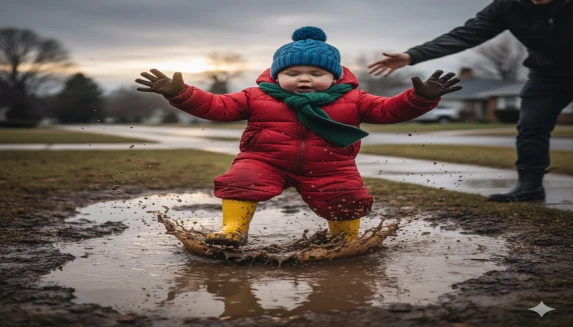
Screens have become a big part of children’s lives. From cartoons to games on phones, young kids often spend hours in front of screens. This makes it harder for parents to encourage outdoor play and exercise.
The APA research shows that time in green spaces is linked to lower stress and improved mood. Being outdoors gives children a break from noisy, fast-paced environments and helps their bodies relax. Spending time outside can be a simple way to support kids’ brains—especially their focus and attention. Natural spaces help the mind feel less “busy,” which can make it easier to concentrate and think clearly.
The good news is that outdoor exercise can be fun and engaging enough to make kids forget about their screens. Here are some practical ideas and tools to help raise active kids who love playing outside.
How to Make Outdoor Exercise Fun for Young Kids
Getting kids excited about outdoor activities means mixing exercise with play. When kids have fun, they naturally want to move more. Here are some ideas to keep them active:
- Obstacle courses: Set up simple courses using cones, ropes, and small hurdles. Kids can jump, crawl, and run through the course. This builds strength, coordination, and balance.
- Nature scavenger hunts: Create a list of things to find outside like leaves, rocks, or flowers. Kids walk or run around searching, which encourages exploration and movement.
- Ball games: Playing catch, kicking a soccer ball, or tossing a frisbee helps develop hand-eye coordination and teamwork.
- Dance parties: Put on some music outside and dance together. It’s a joyful way to get moving and improve rhythm.
- Bike rides: Riding bikes or scooters is great for cardiovascular health and leg strength.
Outdoor Tools That Encourage Active Play
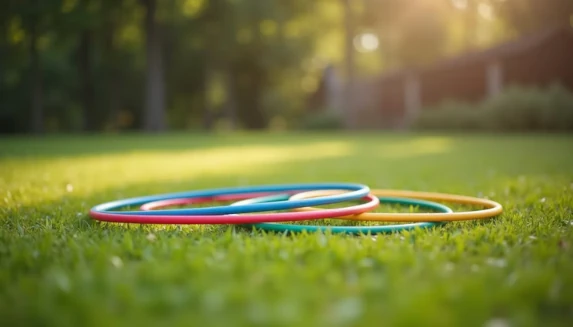
Using the right tools can make outdoor exercise more exciting. Here are some popular items that kids enjoy:
- Jump ropes: A classic tool for cardio and coordination. Kids can jump alone or with friends.
- Hula hoops: Spinning a hula hoop around the waist or arms strengthens core muscles and balance.
- Balance boards: These help improve stability and focus while being fun to use.
- Kinetic sand kits: While mostly for sensory play, kinetic sand can be used outdoors to build and dig, encouraging movement.
- Mini trampolines: Perfect for bouncing and burning energy safely in the backyard.
- Scooters: Lightweight scooters are easy to use and encourage outdoor exploration.
These tools are affordable and portable, making it easy to bring fun exercise anywhere.
Even with fun tools and activities, kids may still prefer screens. Here are ways to encourage consistent outdoor play:
- Set screen limits: Create clear rules about screen time and stick to them. Use screen time as a reward after outdoor play.
- Join in the fun: Kids love when parents play with them. Join obstacle courses or bike rides to make it a family activity.
- Create a routine: Schedule daily outdoor time so it becomes a habit.
- Invite friends: Playdates outside make exercise social and more enjoyable.
- Celebrate achievements: Praise kids for trying new activities or reaching goals like jumping rope 10 times.
Outdoor Play Ideas for Different Ages
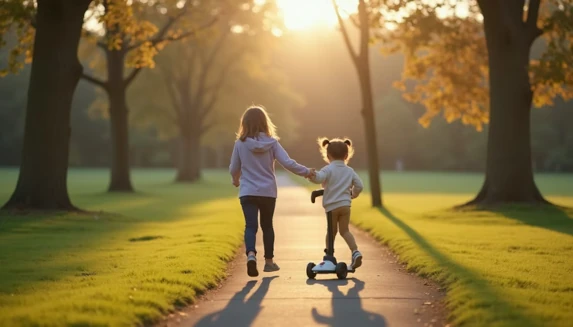
Different ages need different approaches to keep exercise fun and safe:
- Toddlers (1-3 years): Simple games like chasing bubbles, playing with balls, or walking on soft grass.
- Preschoolers (4-5 years): Obstacle courses, hopscotch, and beginner bike rides with training wheels.
- Early school age (6-8 years): More complex games like tag, relay races, and scooter rides.
- Older kids (9+ years): Team sports, hiking, and skill-building activities like skateboarding or rollerblading.
Adjust activities to your child’s interests and abilities for the best results.
Supporting Healthy Development Through Outdoor Exercise
Outdoor play supports many areas of development:
- Physical health: Builds muscles, bones, and cardiovascular fitness.
- Motor skills: Improves coordination, balance, and agility.
- Mental health: Reduces stress and improves mood.
- Social skills: Encourages cooperation, sharing, and communication.
- Creativity: Nature and play inspire imagination and problem-solving.
✨ Final Thought
By making space for outdoor play, you’re giving your child something truly lasting: the freedom to explore, the confidence to grow, and a deeper connection to the world they’re part of.
Because something important is happening quietly in the background, in those everyday moments:
Tiny Steps – Big Skills.
Continue Supporting Your Child’s Development:
See all posts from “Child’s World” here