
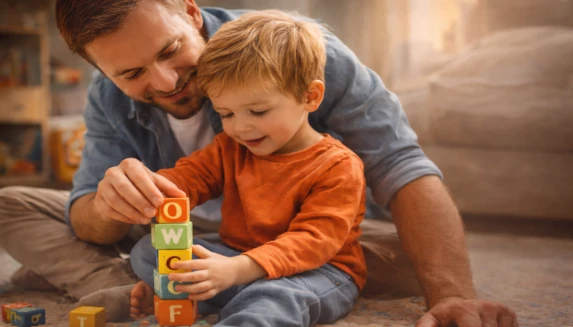
Help kids thrive by building simple daily habits that support healthy growth, learning, confidence, and emotional well-being.
From positive communication and active play to healthy sleep and nurturing routines, small actions can make a big difference in a child’s development. In this guide, you’ll discover practical, research-backed ways to support your child’s happiness, focus, resilience, and overall success—one tiny step at a time.
Every child grows and learns in their own unique way, but research shows that small daily interactions can make a big difference in emotional growth, confidence, and healthy development. Simple habits like positive communication, encouragement, routines, emotional support, and active play can help children feel secure and thrive over time.
In this article, we explore five practical ways parents can support their child’s growth and build stronger family connections every day:
1. Words That Build Trust: How to Talk So Kids Actually Listen
Many parents wonder why children sometimes seem to ignore instructions, even when they repeat them again andli again. Research suggests that the way parents communicate matters just as much as what they say. Children are more likely to cooperate and listen when they feel emotionally safe, understood, and respected. Good communication helps build trust, confidence, and stronger family bonds over time.
Start With Connection Before Correction
Before giving instructions, try to connect with your child first. UNICEF recommends getting to your child’s eye level, using a calm tone, and actively listening. Even a few seconds of connection can make a big difference in how children respond. Instead of shouting instructions across the room, try kneeling down and saying their name gently before speaking. Children often listen better when they feel seen and heard.
For example:
❌ “Stop that right now!”
✅ “I see you’re having fun. It’s time to clean up now — let’s do it together.”
Use Short and Clear Instructions
Young children process information better when instructions are simple and specific. Instead of giving many directions at once, try one small step at a time.
Instead of:
❌ “Go clean your room, brush your teeth, and put on pajamas.”
Try:
✅ “First, let’s put the toys away.”
Listen First, Then Guide
tudies on parent–child communication show that children are more cooperative when they feel listened to. When a child is upset, try acknowledging feelings before solving the problem.
Instead of:
❌ “Stop crying, it’s not a big deal.”
Try:
✅ “I can see you’re upset. Tell me what happened.”
This helps children feel emotionally safe and teaches them that their feelings matter, while still allowing parents to guide behavior calmly.
Praise Effort and Positive Behavior
Children respond well to encouragement. UNICEF suggests noticing and praising good behavior, even small efforts.
Try phrases like:
✔ “Thank you for listening.”
✔ “You tried really hard.”
✔ “I’m proud of how kind you were.”
Positive communication helps strengthen trust and often encourages children to repeat good behaviors.
At the end of the day, children are still learning how to manage emotions, solve problems, and communicate. A calm tone, simple wording, and consistent emotional support can help parents build trust while gently teaching children to listen and cooperate over time.
2. Learning Through Warm, Simple Play
Good early learning happens naturally when parents interact with their children during everyday play. For example, when you sit with your one-year-old and explore a shape-sorting toy, a stacking toy, or a simple beginner puzzle, you can talk about the colors and shapes, describe what your child is doing, and respond to their moments of puzzlement or excitement.
This gentle “learning talk,” paired with eye contact and a warm voice, helps guide your child’s attention. It also teaches them how conversations work and shows them that their caregiver listens and supports their discoveries.
Play-based learning can strengthen memory and thinking skills. Discover fun memory activities to support early brain development.
3. The Power of Early Play
Play is one of the most powerful tools children have for growing into confident little learners. In the first months, simple items like soft rattles, crinkle books, or baby play mats help babies explore sound, texture, and movement. These early “serve-and-return” interactions — smiling, cooing, taking turns — teach babies that communication is fun and rewarding.
Peek-a-boo and other predictable games, sometimes supported with soft sensory toys, build trust and connection. As children grow, they begin using early words and gestures, often helped along by first-word board books, picture cards, or simple cause-and-effect toys.
Around one year, new movement skills open a whole world of exploration. Toddlers love push toys, ride-on toys, pull-along toys, and small climbing or balance toys. These activities let children test their abilities while still using their parent as a “home base” for reassurance
As toddlers gain independence, you help guide them through emotions, problem-solving, and taking turns. Pretend-play blossoms now — feeding a doll, “cooking” in a tiny kitchen, or building a small fort. Pretend play sets, baby dolls, dress-up clothes, and simple building blocks are perfect tools for this stage.
4. Preschoolers: Big Thinking, Big Ideas
Between ages three and five, children begin thinking in more advanced ways. They experiment more deliberately and learn from trial and error. This is a great time to offer toys that encourage creativity, exploration, and early thinking skills.
Reading together, extending conversations, asking open-ended questions, and talking about daily experiences all strengthen language, memory, and early literacy. Interactive storybooks and picture dictionaries fit beautifully into this stage of learning.
Many children express emotions more clearly when parents build a strong connection; our quiz Warm Bonds explores this dynamic.
5. Words That Grow
Across all ages, one thing never changes: children learn best when they share meaningful, joyful moments with someone who cares. Toys support the fun — but you are what makes learning truly happen.
Your gentle “learning talk,” warmth, and presence are the foundation of every new skill your child builds. The best toys encourage curiosity — but it’s your responsiveness that turns play into learning.
Helping kids thrive also means supporting focus and concentration. Explore our guide on Simple Ways to Improve Kids Attention for practical ideas that encourage better focus through everyday play.
Frequently Asked Questions (FAQ)
How can I help my child thrive at home?
Helping children thrive starts with simple daily habits: spending quality time together, encouraging curiosity, creating routines, and using positive communication. Children grow best when they feel safe, supported, and encouraged to explore, learn, and express emotions.
What helps children develop confidence?
Children build confidence when adults praise effort rather than perfection, encourage independence, and celebrate small achievements. Giving children age-appropriate responsibilities and allowing them to solve simple problems can also strengthen self-esteem.
Why are positive words important for child development?
Positive words can shape how children see themselves and the world. Encouraging language helps children feel secure, improves emotional resilience, and supports healthy brain development. Small phrases like “I believe in you” or “You worked hard” can make a big difference.
What are simple ways to support emotional development?
You can support emotional growth by listening to your child’s feelings, naming emotions, modeling calm behavior, and teaching problem-solving skills. Reading books, pretend play, and open conversations also help children understand emotions.
How much quality time do children need with parents?
Children benefit more from meaningful connection than long hours together. Even 10–20 minutes of focused, distraction-free time each day—reading, talking, playing, or cuddling—can strengthen trust and emotional security.
Can play really help kids thrive?
Yes. Play is one of the most powerful ways children learn. Through play, kids build language, creativity, memory, focus, emotional regulation, and social skills. Activities like puzzles, movement games, pretend play, and outdoor exploration all support healthy development.
What should I do if my child struggles with focus or behavior?
Children often need guidance, patience, and routines rather than punishment. Sleep, nutrition, physical activity, and consistent expectations all affect behavior and attention. Try identifying triggers and using calm, supportive strategies that teach rather than shame.
What are the most important things children need to thrive?
Children thrive when they receive love, emotional safety, healthy routines, good nutrition, sleep, movement, learning opportunities, and positive relationships. Small daily actions from parents often have the biggest long-term impact.
✨ Final Thought
When children feel safe, loved, and understood, they naturally build the confidence, resilience, and curiosity they need to explore the world and develop at their own pace. So, trust the process, trust your child, and trust yourself. Growth doesn’t happen all at once—but with steady support and everyday moments that matter, your child is already on a strong path to thrive.
Because something important is happening quietly in the background, in those everyday moments:
Tiny Steps – Big Skills.
Continue Supporting Your Child’s Development:
- How warm parenting supports growth → Super Mommy
- How attention and calm routines develop → Eyes On Mind On
- Explore your parent–child connection style → Warm Bonds (Quiz)
See all posts from “Child’s World” here