

When we look at our kids’ bedrooms, we usually think about cute color palettes, fluffy pillows, or where to store a massive mountain of stuffed animals.
But if we look closer … a child’s room is actually their very first “microsystem.”
A breakthrough study by researcher Ole Johan Sando, published in the European Early Childhood Education Research Journal, took a deep dive into exactly how these indoor spaces affect little ones. By video-tracking the free play of dozens of young children, the study uncovered some fascinating truths about how the physical setup of a room directly controls a child’s emotional well-being and daily physical activity.
Think about it from a kid’s perspective: a towering table makes them feel small, dependent, and restricted. They have to ask for help to get up, they can’t see what’s on top easily, and it physically blocks the room.
When tables are removed or scaled down, magic happens—children instantly start moving more, playing creatively, and feeling a higher sense of personal joy and comfort.
When a room feels familiar, welcoming, and truly “theirs,” it becomes a safe base for
play, imagination, and growing confidence.
Affiliate and referral links are included below to endorse products we recommend. If you purchase through these links, we earn a small commission at no extra cost to you.
Designing for Autonomy: What Furniture to Add
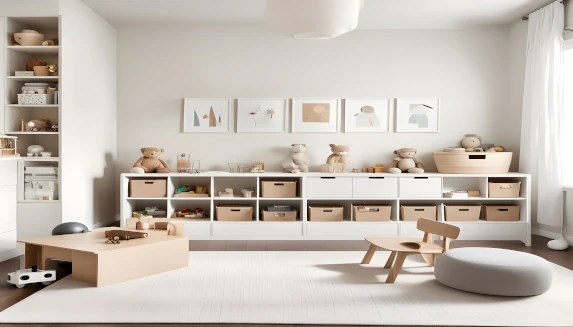
So, if giant tables are out, what should actually go into a bedroom to maximize your child’s independence?
Instead of a high mattress with safety rails that requires an adult to lift them in and out, a floor-level bed like Giantex Twin Montessori Low Floor Beds for Kids (CA link)transforms the entire room into a safe zone. It allows a child to decide when they are done resting and seamlessly transition to quiet play, building massive confidence in their own decision-making.
If you do add a surface for drawing or puzzles, make sure it is a miniature “weaning” set. This means the chair is low enough that their feet are planted flat on the floor and the table sits perfectly at their elbow height. One such example is Brelley Kids Table and 2 Chairs Set (Similar for CA). This ergonomic comfort keeps their focus high and their bodies relaxed. And adding something soft and comforting like a Huddle Original Stuffed Animal Storage Chair (CA link), can instantly make a reading corner feel magical and welcoming.
A warm, organized, and inviting room tells children, “You matter. Your way of playing and learning is important.” And when toys are displayed beautifully at their knee-to-waist height, like Delta Children Deluxe Toy and Book Organizer (CA link) it allows them to freely choose what to interact with and—just as importantly—makes it much easier for them to practice putting things away on their own.
The Power of Play Zones
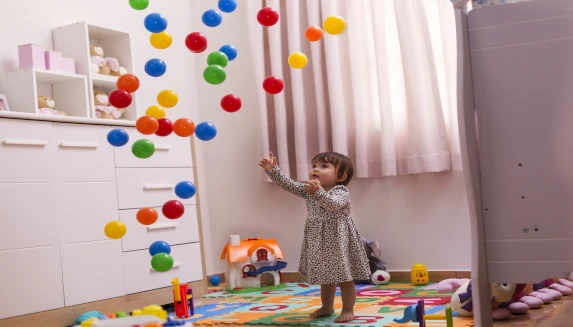
Imaginative bedrooms full of playful elements help spark creativity and support open-ended thinking. Activities like “cooking,” serving food, or hosting little gatherings help kids build language skills, social confidence, and creativity through familiar routines. Toys like the Step2 Fun with Friends Kids Kitchen Playset, Indoor/Outdoor Kitchenette with Lights & Sounds ( CA Link ) make this kind of play easy and engaging, giving children a space to imitate what they see at home while adding their own imaginative twists.
Another great way to encourage imagination is by creating opportunities for everyday role-playing that children naturally love. Toys like the KidKraft Majestic Mansion Wooden Dollhouse ( Similar for CA)are a great example of how a single setup can spark hours of storytelling and role-play. With its detailed design, multiple rooms, and interactive features like a working elevator, it invites children to create their own little world.
The study published in European Early Childhood Education Research Journal, showed a massive spike in physical activity and happiness when rooms included “tumbling zones.” In a home bedroom, you can easily create this by keeping the central spine of the room completely wide open and layering it with thick, plush rugs like Foldable Wooden Montessori Climbing Set ( CA Link ), or soft modular foam play mats like Stepping Stones & Balance Beams ( CA Link). This open floor space actively invites them to roll, crawl, build, and stretch their muscles.
When adults take these changing needs into account, children feel understood—and their spaces grow with them.
Frequently Asked Questions (FAQ)
How can I make a small kids room feel bigger?
A small kids room can feel bigger by using light colors, vertical storage, multi-purpose furniture, and keeping floor space open. Wall shelves, under-bed storage, and foldable furniture can help reduce clutter while making the room feel brighter and more spacious.
What is the best way to organize a child’s small bedroom?
The best way is to create simple zones for sleeping, play, learning, and storage. Use baskets, labeled bins, shelves, and toy organizers to keep everything easy for children to reach and clean up independently.
How do I organize too many toys in a small room?
Try a toy rotation system. Keep only a portion of toys available and store the rest out of sight, switching them every few weeks. This reduces clutter, keeps children more engaged, and makes cleanup easier.
What colors work best for a kids room?
Soft, calming colors such as light beige, soft green, pale blue, warm white, or muted pastels often work well in children’s spaces. Adding small colorful accents through rugs, pillows, or wall art can make the room playful without feeling overwhelming.
How can I create more storage in a small kids room?
Look for unused spaces such as under the bed, behind doors, corners, or walls. Floating shelves, storage benches, hanging organizers, and furniture with built-in drawers can help maximize storage in smaller spaces.
What furniture works best in a small kids room?
Space-saving furniture such as loft beds, bunk beds, storage beds, foldable desks, and toy organizers works especially well. Multi-functional furniture can help maximize space while keeping the room comfortable and practical.
How can I encourage my child to keep the room tidy?
Make organization simple and age-appropriate. Use labeled bins with pictures, keep toys easy to reach, and create short cleanup routines. Children are more likely to tidy up when storage systems are easy and fun to use.
Can a small room still support learning and creativity?
Yes. Even a small room can encourage creativity with a cozy reading corner, a small art station, sensory play items, or educational toys. Thoughtful organization matters more than room size when creating a stimulating environment.
✨ Final Thought
In the end, a thoughtfully designed environment—one that reflects a child’s age, interests, and personality—becomes more than just a room. It becomes a partner in their development, a place where they feel secure, inspired, and ready to explore who they are and who they’re becoming.
Because something important is happening quietly in the background, in those everyday moments:
Tiny Steps – Big Skills.
Continue Supporting Your Child’s Development:
See all posts from “Child’s World” here